
200 Hour Yoga TTC Program Highlights
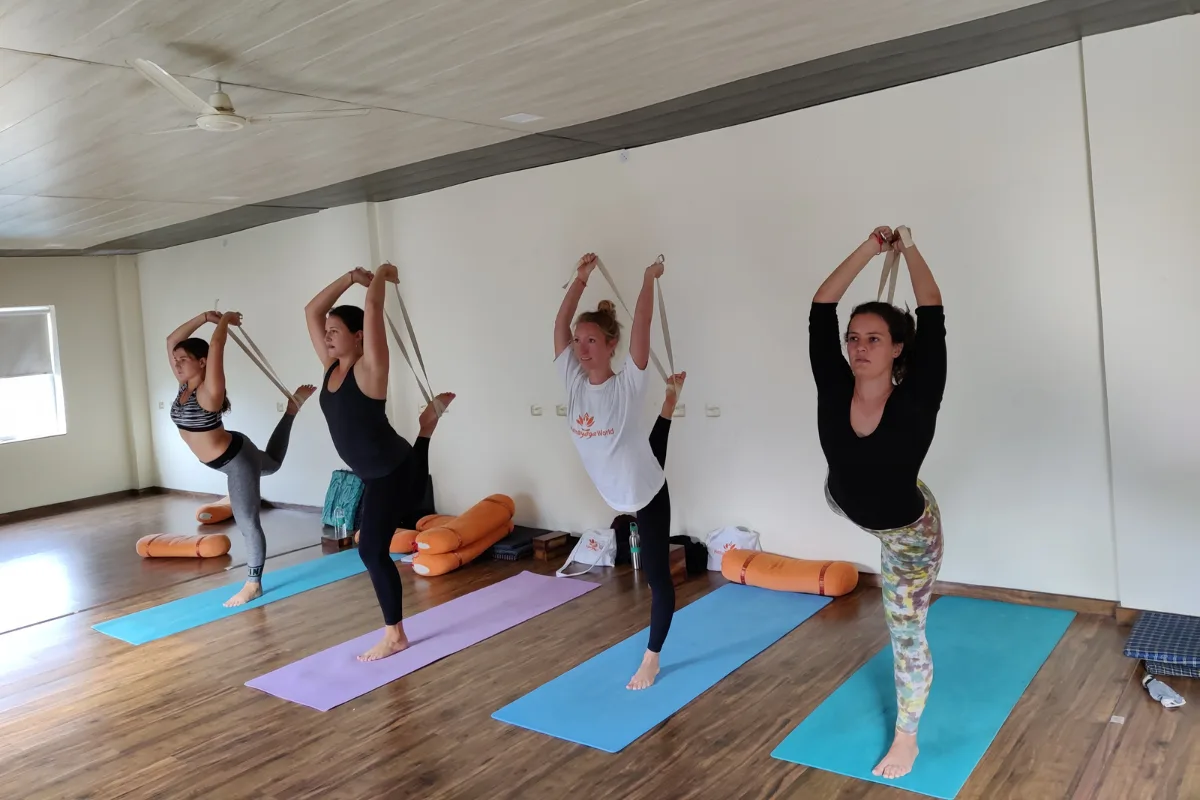
Hatha Yoga is the traditional kind of yoga style. Practicing Hatha Yoga creates a strong foundation before practicing other styles (if desired). Hatha Yoga is suitable for any body and any practitioner level. Hatha Yoga is a style of yoga where physical postures called Asanas, breathing techniques also known as Pranayama and meditation are used in a holistic practice to promote physical and mental well-being and a deep spiritual connection. The word “Hatha” comes from the Sanskrit words “Ha” (sun) and “Tha” (moon), symbolizing the balance and harmony of opposites and the duality present in all of us and in everything, such as the feminine and masculine or sympathetic nervous system (active) and parasympathetic nervous system (rest). Hatha Yoga aims to create harmony between the body
Vinyasa is a style of yoga where you flow from one asana to another in seamless movements, synchronised with your inhalations and exhalations. The word “vinyasa” translates to “arranging your body in a special way”. Vinyasa is a dynamic and often fast-paced yoga style which helps you gain flexibility as well as strength physically. The smooth and on-going movements invites you to be aware of your body in present time, creating an opportunity to gain ease of mind and experience a meditative practice.
In the Pranayama practices, four important aspects of breathing are utilised. These are Pooraka or inhalation, Rachaka or exhalation, Antar kumbhaka or internal breath retention and Bahir kumbhaka or external breath retention. The most crucial part of Pranayama is Kumbhaka or breath retention. However, to perform Kumbhaka successfully, there must be a gradual development of control over the function of respiration. Therefore, in the Pranayama practices, more emphasis is given to inhalation and exhalation at the beginning to strengthen the lungs and balance the nervous and pranic systems in preparation for practising Kumbhaka.
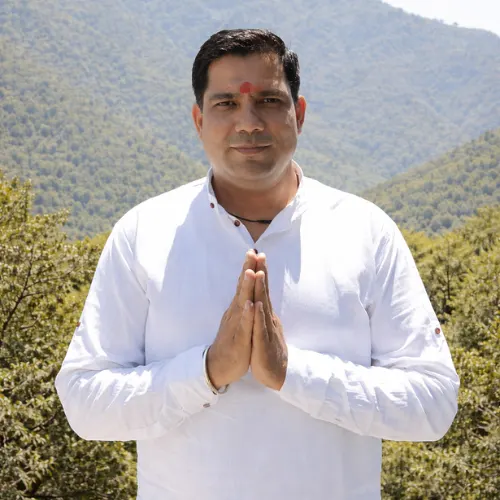
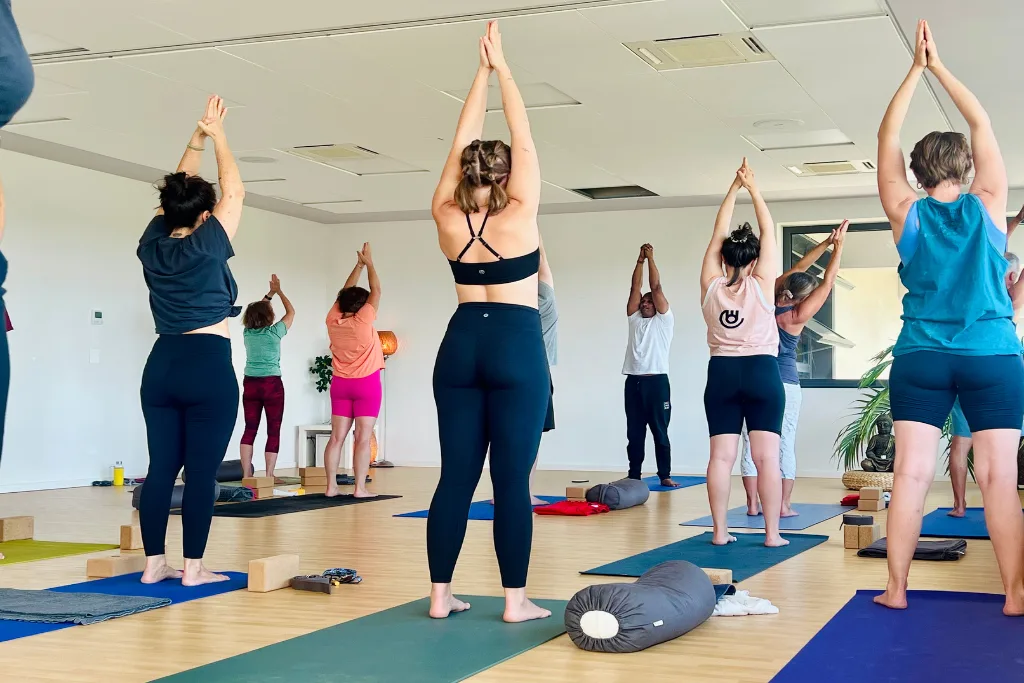
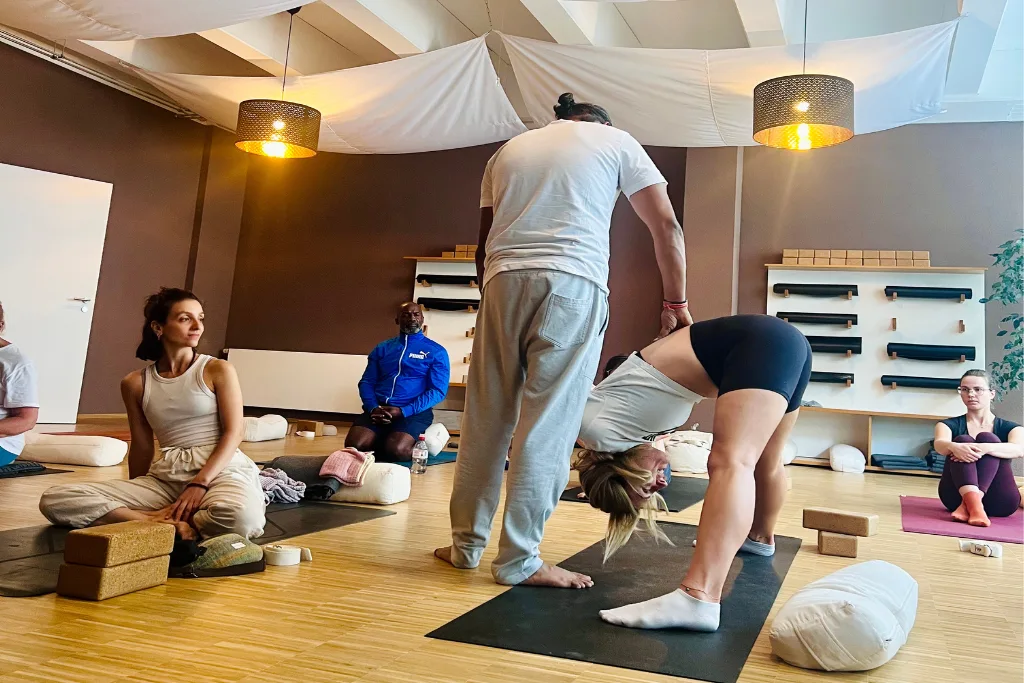
The founder of Hatha Yoga World, Pankaj Seth, is passionate about sharing the importance of practicing yoga asanas in correct alignment and how to adjust students hands-on to support a practitioner’s practice and also help deepen the practice. When you practice asanas with focus on alignment, you are protected against injury and you cultivate a flexible and strong body. Lower back pain, knee problems, neck pain and shoulder injuries are something we often see students arrive at our school with. Health is truly wealth and a pain free body is priceless. Yoga is for everyone and every body! When you learn how to be properly aligned and adjust others and yourself in a pose, you gain confidence to practice despite any pain or injuries and the possibility of healing through yoga is greater. With the
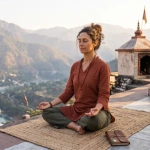
Meditation is the practice of being present and mindful. It could be done seated, walking or even during gardening. An interesting fact about asanas is that we perform asanas to gain a healthy body free from disease and pain. Therefore, meditating is possible instead of only noticing the disease and pain. Meditation brings calmness to the mind, helps you to move inwards and deepen your spiritual connection.
Yoga is a lifestyle, so topics to teach and learn are endless. When studying Yoga philosophy, you will be introduced to the paths of Yoga like Bhakti Yoga (Yoga of devotion), Karma Yoga (Yoga of action), Jnana Yoga (Yoga of knowledge), Hatha Yoga (Yoga of the physical balance), Raja Yoga (Yoga of meditation / Royal path) and the eight limbs of Yoga which is a guide to live well.
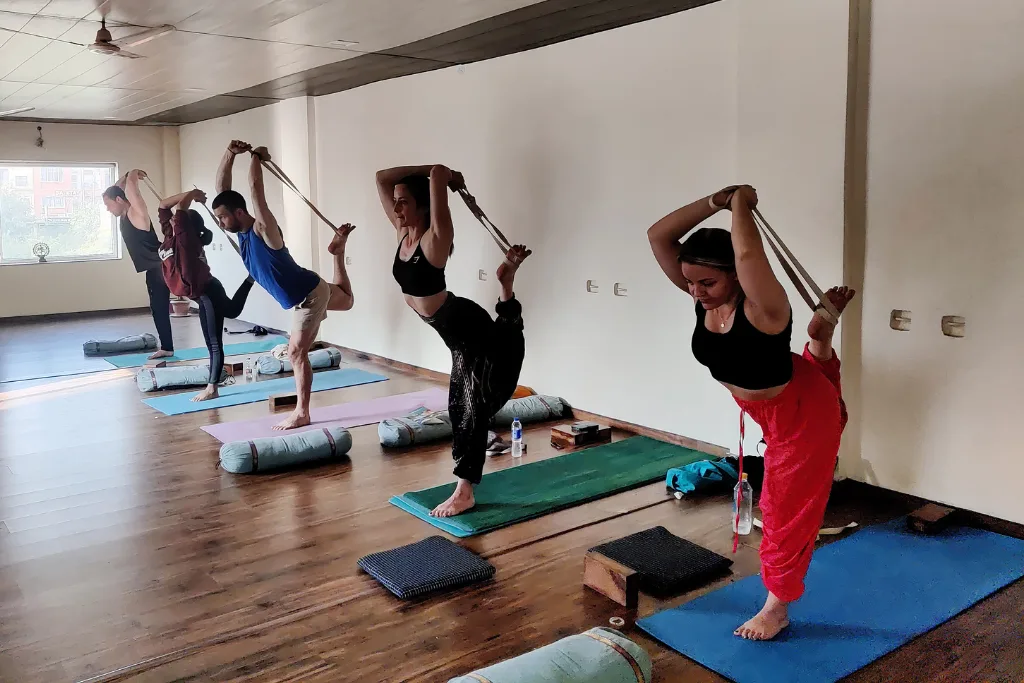
Being a Yoga instructor, it is essential to know each asana’s target areas, understand their function, offer modifications, and have dedicated self-practice to discover asanas. Other important teaching factors are clear communication with students and a gentle approach when giving instructions. Could you observe students to see if anyone needs props? Props can be used or not at all. While teaching Yoga, an instructor can adjust physically, but verbal adjustments are also a great way to guide. While adjusting physically, you can make minor adjustments like tilting the pelvis, modifying the asana or completely changing the asana to make the same stretch available to different body types.
Knowledge of postures, alignment, and philosophy gives you the tools to practice and experience Yoga independently. This means you can practice Yoga anywhere and use it in your daily life without dependent on anyone to guide you. Only through practice can we get better at Yoga and gain more experience. When practising yourself, you realise what you have truly learned and what you can study further. Self-practice means self-realisation.
Mantras are sacred words or sentences that can be chanted in meditation or during a Yoga session to set an intention. The well-known mantra AUM or OM is considered the most sacred and is chanted at the beginning and end of most ancient Yogic texts and in most Yoga classes. Om represents the sound of the universe. Another example of a chant is ‘OM shanti, shanti, shanti’. Shanti means ‘peace’.
The first Kriya introduced at Hatha Yoga World during the course is Neti. Kriyas helps to purify the body, and Neti purifies the sinuses and nasal cavities. Shatkarma means six actions of purification. These purification practices balance the pranic flow and harmonise the three Doshas to balance bodily functions. If the body is full of toxins, the system and organs are not coordinating, and it is impossible to progress on the spiritual path. The six purification practices are Neti, Dhauti, Basti, Nauli, Kapalbhati and Trataka.
Karma Yoga is the science of achieving perfection in action. Karma Yoga is based on a general understanding of Karma and reincarnation. It is believed that people are born with certain tendencies, both positive and negative, from their previous lives. These tendencies push one toward performing specific actions in the present life. Karma comes from the Sanskrit root ‘Kri’, which means to do, to act. We are active in every moment of our lives, continuously involved in action, and with consciousness, we can do good.